
Actinic Keratosis
Sun damage deserves a physician’s eye.
What’s really
going on
Actinic keratosis appears as rough, scaly or crusty patches on sun-exposed skin, most often the face, scalp and hands. They are caused by years of UV exposure, and because a small percentage can progress to skin cancer they warrant a physician’s assessment.
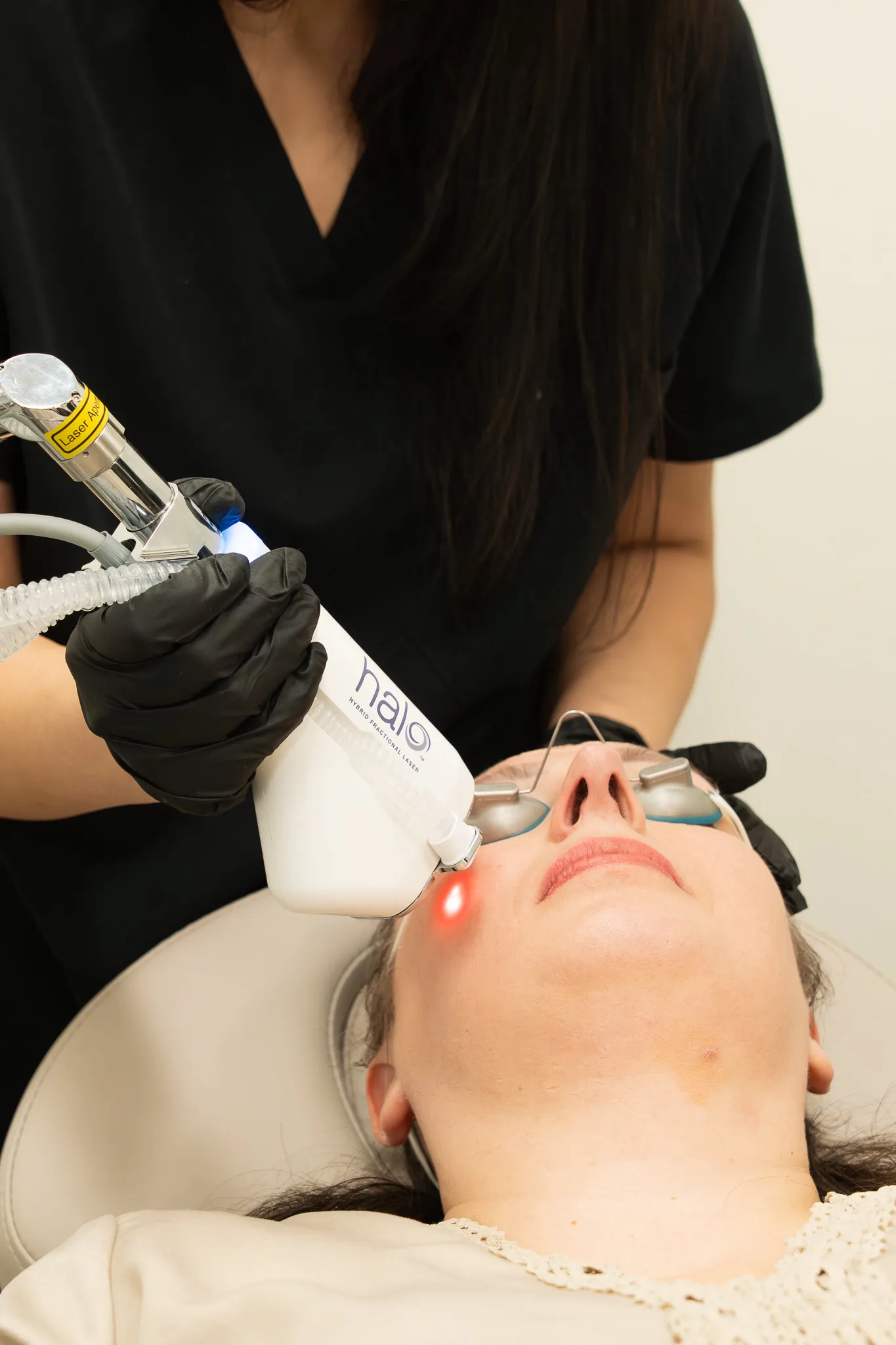
As a medical doctor, Dr. Sarai evaluates each lesion before treating. Individual lesions can be treated with physician-performed cryotherapy, while laser resurfacing with HALO®, ProFractional™ or Contour TRL™ removes damaged cells and improves the surrounding sun damage at the same time. The right tool, from a targeted freeze through lighter laser peels to deep resurfacing, depends on what the assessment finds.
Not sure which treatment is right for you? Every plan starts with a consultation and a proper look at your skin.
How we treat it
The order of operations matters more here than for any other concern on this site: assessment before treatment, every time. Because a small percentage of actinic keratoses can progress toward squamous cell carcinoma, Dr. Sarai examines each lesion as a physician first, and anything suspicious is managed medically or referred appropriately, not treated cosmetically. That screening step is the reason this concern belongs in a physician-led clinic.
Once lesions are confirmed suitable for treatment, laser resurfacing does two jobs at once. Ablative treatment with Contour TRL™ or ProFractional™ clears the damaged, disorganised cells that make up the rough patch, while the renewal it triggers also improves the surrounding sun-damaged field, which matters because actinic keratosis rarely arrives alone. HALO® can address broader field damage where lesions sit within generally sun-worn skin.
Who it’s for
Typically adults with years of accumulated sun exposure (often fair-skinned, often on the face, scalp, ears or hands) who have noticed rough, scaly or recurring crusty patches that never quite resolve. If that description fits, the honest advice is simple: have the patches looked at. Whether treatment then proceeds with a laser, another modality, or a referral depends entirely on what the assessment finds.
What to expect
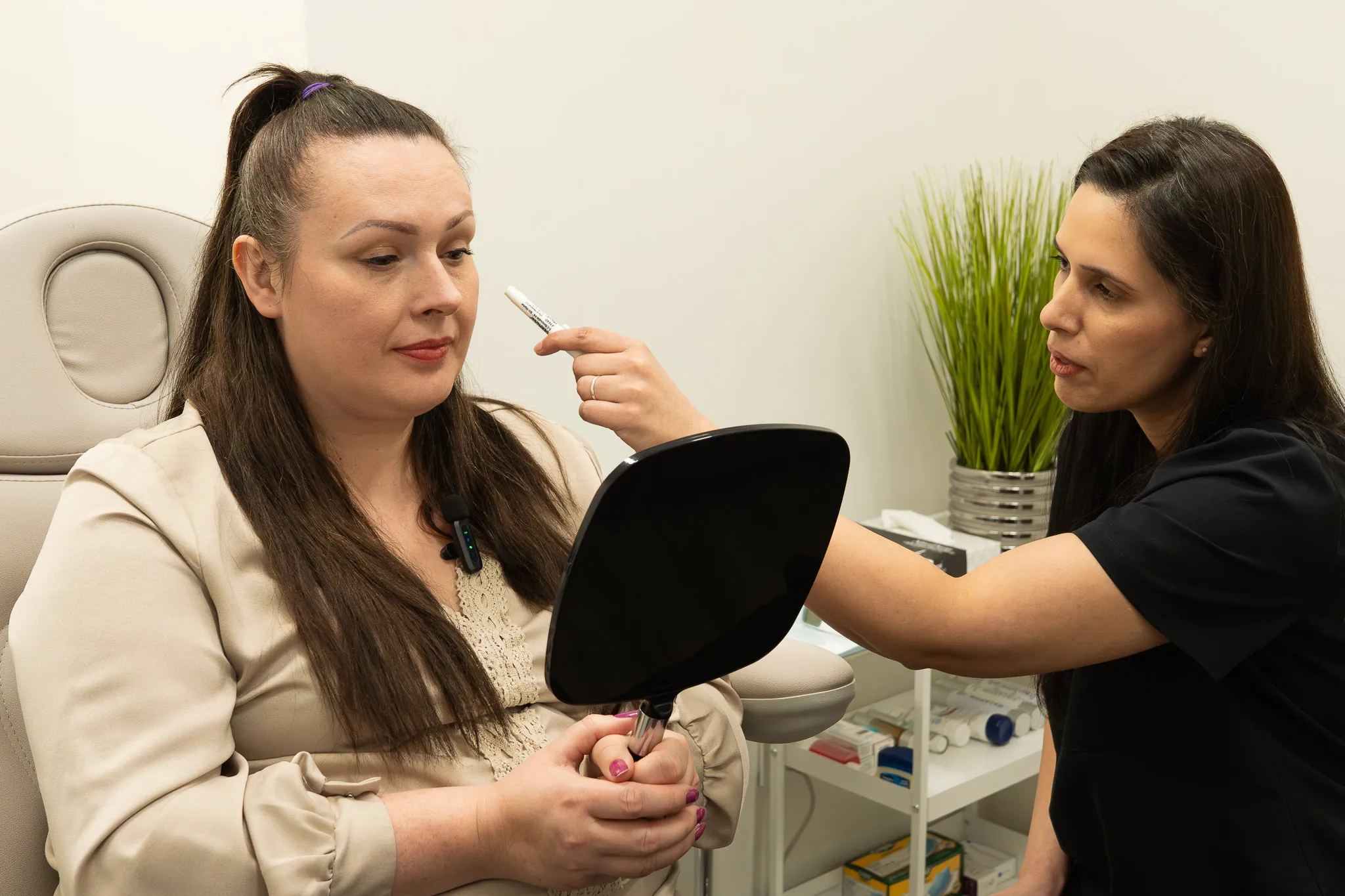
Your first visit is an examination, not a procedure. Dr. Sarai reviews each lesion, your sun history and your skin type, and explains which patches are appropriate for laser treatment. Treatment sessions themselves are targeted and usually brief; treated spots crust and heal over roughly one to two weeks depending on depth.
Afterwards, surveillance becomes part of the plan. Sun-damaged skin keeps producing new lesions, so periodic skin checks, backed by genuinely daily sun protection, are what keep you ahead of it. We schedule follow-up reviews so new changes are caught early, which is exactly how this condition should be managed.
Wondering about cost? Standard prices for these treatments are listed openly on our pricing page, and your own plan is confirmed with Dr. Sarai at consultation.
Three Steps To Healthier Skin
Assess
Each lesion is medically evaluated first, because not every rough patch should be treated cosmetically.
Treat
A plan drawn from cryotherapy for individual lesions through laser resurfacing for the surrounding sun damage, calibrated to what the assessment finds.
Maintain
Strict sun protection and regular skin checks so new changes are caught early and treated appropriately.
Dr. Sundeep Sarai · BSc, MBChB, CCFP. Every treatment plan is physician-designed.
Ready to do something about it? Book a consultation at our Surrey clinic.
Dr. Sarai will assess your skin, then talk you through the options that actually fit.