

Melasma
Stubborn pigment calls for patience and precision.
What’s really
going on
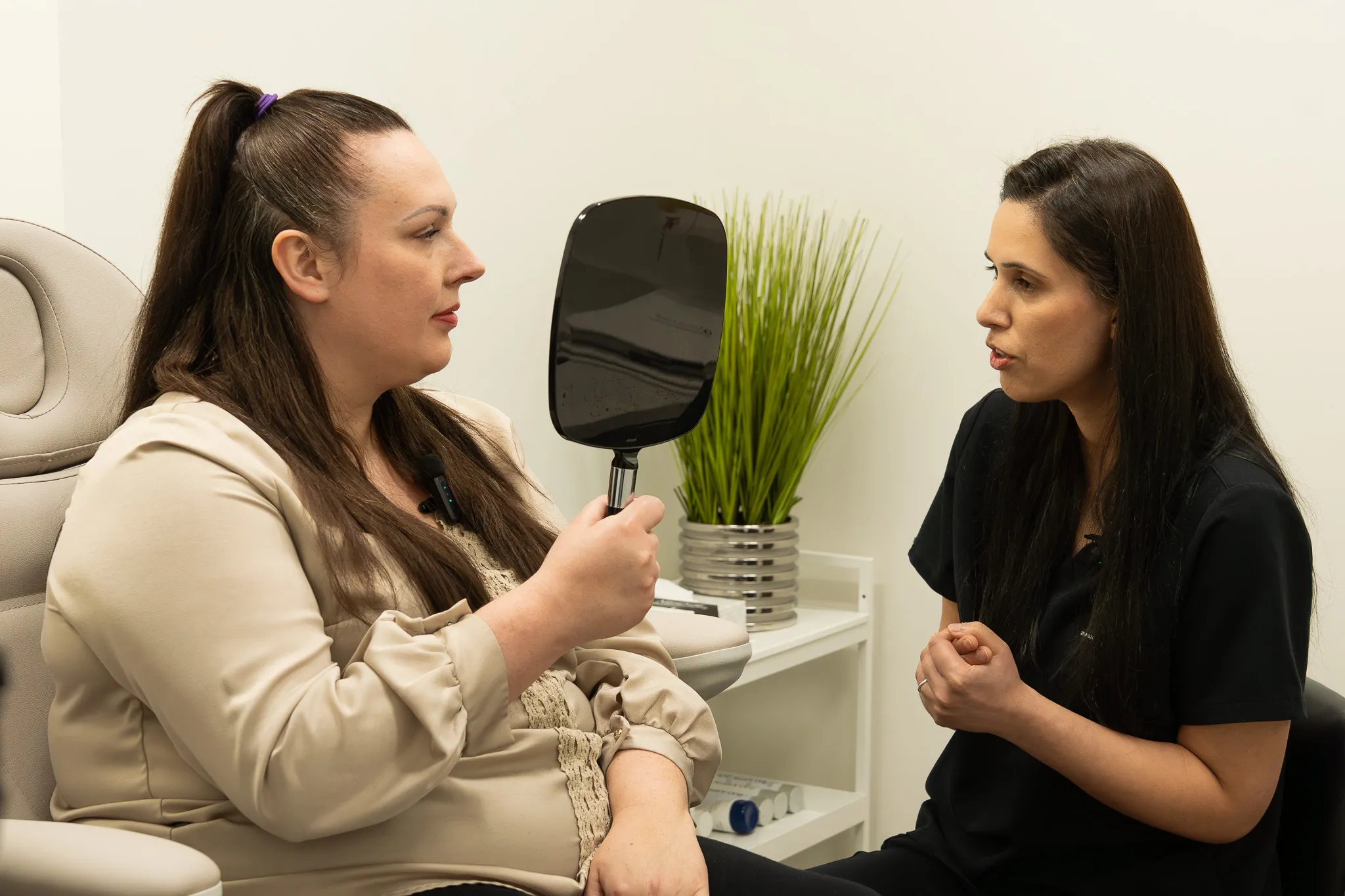
Melasma causes symmetrical brown or grey-brown patches, usually across the cheeks, forehead and upper lip. Hormones, sun exposure and genetics all feed into it. That combination makes it stubborn, and easy to worsen with the wrong treatment.
This is why melasma should be managed by a physician: treat it too aggressively and the pigment can rebound darker. Dr. Sarai treats it conservatively, usually beginning with medical-grade skincare and gentle PCA peels, adding carefully calibrated resurfacing, most often HALO®, only where the skin is prepared for it. Strict sun protection underpins all of it, and the aim is long-term control rather than a quick fix.
Not sure which treatment is right for you? Every plan starts with a consultation and a proper look at your skin.
How we treat it
Melasma punishes aggression. Overtreat it, with too much laser energy or too little recovery time, and the pigment frequently rebounds darker than it started, because the pigment cells themselves are reactive. That single fact shapes everything about how we treat it: conservatively calibrated HALO® sessions at settings chosen for melasma specifically, spaced to let the skin settle, and always layered on a foundation of pigment-regulating medical-grade skincare and strict sun protection.
Dr. Sarai treats melasma as a chronic condition to be controlled, not a spot to be removed. The plan usually starts with skincare to stabilise the pigment pathways, adds carefully dosed laser work once the skin is prepared, and adjusts continuously based on how your pigment responds. It is slower than the internet promises, and it is the approach that avoids making things worse.
Who it’s for
Most often women, frequently with onset around pregnancy or hormonal contraception, with symmetrical brown or grey-brown patches across the cheeks, forehead or upper lip. It particularly suits people who have already been burned, sometimes literally, by aggressive treatment elsewhere and have watched their melasma rebound. If your pigment darkens with sun, heat or hormonal shifts, a physician-managed plan is the appropriate route, and honest expectations come with it.
What to expect
Expect a management programme, not a single fix. The first weeks are usually skincare-led while your pigment stabilises; laser sessions, when introduced, are gentle and deliberately spaced. Improvement is gradual, softening and blending over months rather than vanishing overnight, and some seasonal fluctuation is normal even in well-controlled melasma.
What you can control matters enormously here: daily broad-spectrum sunscreen, reapplied, is the single most important treatment on the plan, because a weekend of unprotected sun can undo months of careful work. Dr. Sarai reviews your response at each stage and adjusts, which is what long-term control actually looks like.
Wondering about cost? Standard prices for these treatments are listed openly on our pricing page, and your own plan is confirmed with Dr. Sarai at consultation.
Three Steps To Long-Term Control
Assess
Your pigment pattern and its triggers are assessed by a physician first. This matters, because the wrong treatment can make melasma worse.
Treat
A conservative, staged plan, from pigment-regulating skincare and gentle peels to carefully calibrated HALO® resurfacing, aimed at gradual and controlled improvement.
Maintain
Strict daily sun protection and pigment-regulating skincare. This is the foundation of long-term control.
Dr. Sundeep Sarai · BSc, MBChB, CCFP. Every treatment plan is physician-designed.
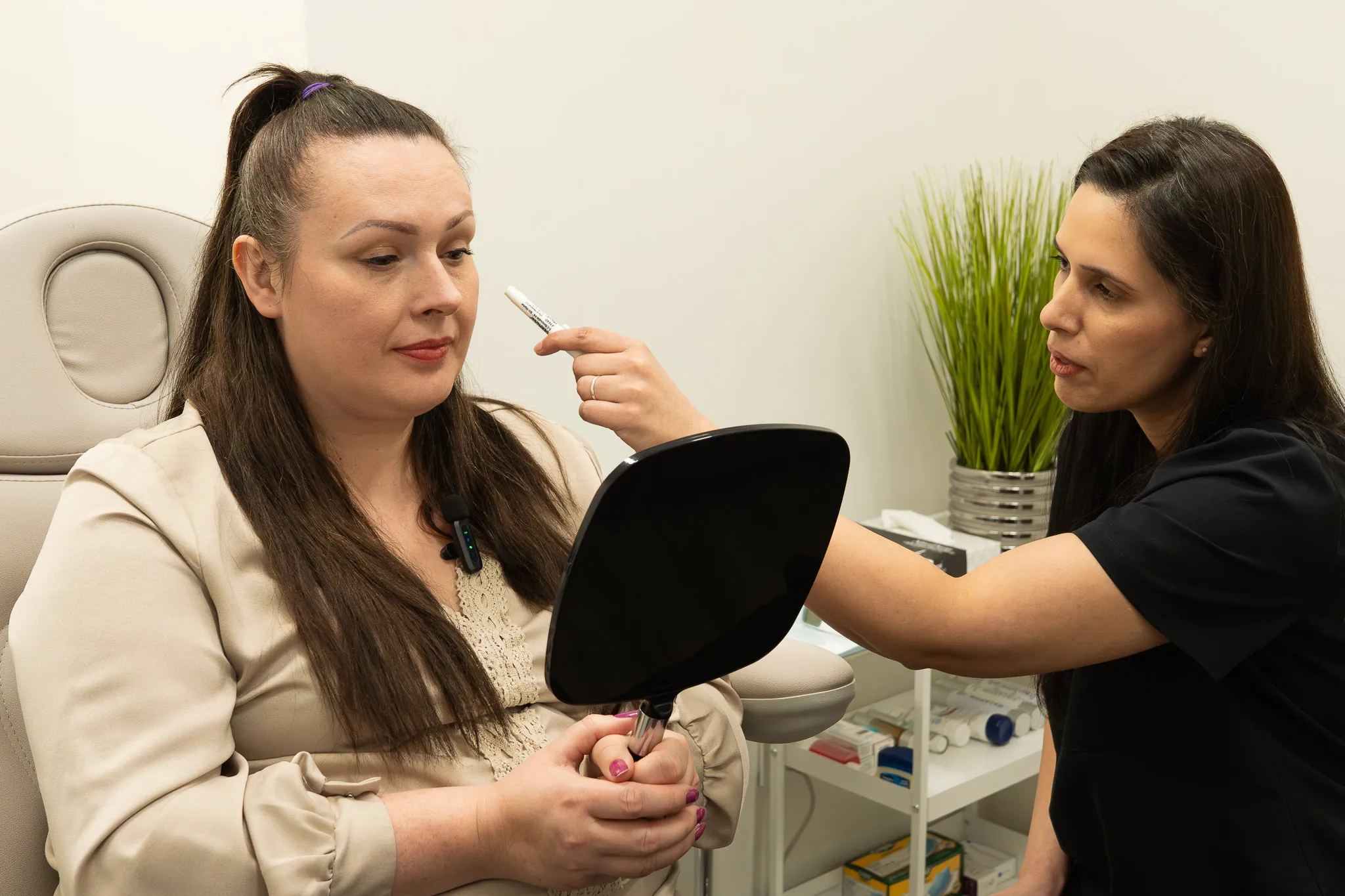
Ready to do something about it? Book a consultation at our Surrey clinic.
Dr. Sarai will assess your skin, then talk you through the options that actually fit.